
How a Connected Workforce Solution Benefits Industrial and Manufacturing Plants
On a manufacturing plant floor, most delays do not come from a lack of skill. They come from a lack of connection. A technician waits on a paper work order. A spare part is missing when the job starts. A safety permit sits unsigned while a line stays down. Each gap looks small on its own. Together, they add up to lost production and rising cost.
A connected worker solution closes these gaps. It gives frontline teams the right information, workflows, and tools at the exact moment they need them. For manufacturers, that means fewer breakdowns, faster work, and better use of every shift.
This blog explains what a connected worker solution is, how it differs from a connected worker platform, and the specific benefits it delivers for industrial and manufacturing plants.
What Is a Connected Workforce Solution?
A connected worker solution is a set of digital tools that links frontline manufacturing workers to real-time information, to each other, and to the systems that run the plant. It replaces paper, radios, and manual data entry with mobile apps, connected devices, and live data. The goal is simple. Give operators, technicians, and safety teams what they need to do the job right the first time.
In a manufacturing plant, a connected worker is an operator, maintenance technician, reliability engineer, or safety team member who is digitally linked to their assets, their tasks, and their colleagues. You will also see this called a connected industrial worker or a connected frontline worker. The terms connected worker and connected workforce are used interchangeably.
For a full breakdown of the concept, worker types, and underlying technology, see our connected worker guide.
Connected Worker Solution vs Connected Worker Platform: What Is the Difference?
This is the point where buyers get confused, so it is worth making clear.
A connected worker solution is any digital tool that connects a frontline team to information and to each other. That could be a single mobile app for digital inspections, or a tool for digital work orders. A connected worker platform is a single system that unifies many of those workflows across maintenance, operations, warehouse, and safety, and connects them to your systems of record such as SAP, IBM Maximo, and Oracle.
Put simply, a solution often solves one problem. A platform connects many workflows so data flows across all of them and back into the plant's core systems.
In manufacturing, that difference matters more than it sounds. A single breakdown rarely stays inside one workflow. It touches maintenance, spare parts and inventory, and safety all at once. Point tools leave gaps between those steps. A platform closes them, so a work order, the parts it needs, and the permit to do it safely all move together.
|
Connected Worker Solution (single tool) |
Connected Worker Platform (unified system) |
|
|---|---|---|
|
Scope |
Solves one task, such as inspections or work orders |
Unifies maintenance, operations, warehouse, and safety |
|
Data flow |
Often stays inside one app |
Flows across workflows and into systems of record |
|
System connection |
Limited or manual |
Connected to SAP, IBM Maximo, and Oracle |
|
Offline use |
Varies by tool |
Built to work offline in plant dead zones |
|
AI support |
Rare |
Purpose-built AI agents at the point of work |
|
Best fit |
A single, contained problem |
Plant-wide execution across teams and shifts |
Many manufacturers start with a single solution and later move to a platform as their needs grow. If you are weighing options, our guide to the best connected worker platforms for industrial use compares the leading choices side by side.
Get the Connected Worker Guide
See how leading manufacturers connect frontline teams, plant data, and core systems to cut downtime and reclaim maintenance savings.
How a Connected Worker Solution Works on the Plant Floor
The easiest way to understand a connected worker solution is to follow a single job through the plant.
A sensor or an operator round flags a pump running hot. The connected worker solution turns that signal into a mobile work order and sends it to the right technician. The technician opens it on a phone or tablet, sees the asset history, and follows step-by-step digital work instructions. If a part is needed, the app checks stock in real time. If the job is high-risk, a digital permit to work must be approved before the technician can start. Every action is logged as it happens, and the plant's core systems update automatically.
That flow relies on a few common building blocks: mobile industrial apps that work on rugged devices, Internet of Things (IoT) sensor data for live asset readings, offline sync for areas with no signal, and integration with the enterprise resource planning (ERP) systems that run the plant. This is what people mean by a mobile, digital, and increasingly smart connected worker. The work stays connected from the first alert to the closed job.
Key Benefits of a Connected Worker Solution for Manufacturing Plants
When a manufacturing plant moves from paper and radios to connected work, the gains show up across the whole operation. Here is what a connected worker solution delivers.
- Less unplanned downtime. Live data and early alerts help teams catch equipment problems before they cause a breakdown. Technicians act at the point of work rather than firefighting after a failure.
- More wrench time. Mobile work orders and digital work instructions cut the time technicians spend chasing paper and re-entering data. More of each shift goes to actual work on the tools.
- Stronger safety and compliance. Digital permit to work and lockout/tagout (LOTO) steps are built into the job. Workers follow the right sequence every time and leave a clear audit trail.
- Fewer errors and less rework. Guided steps and inline checks catch mistakes as they happen. Small issues get fixed before they turn into scrap or a second trip.
- Faster shift handovers and communication. Structured digital handovers replace verbal notes and missed messages. The next shift starts with a clear picture of open work.
- Better use of parts and inventory. Real-time stock checks and mobile inventory reduce delays and emergency buys. Jobs start with the right parts on hand.
- Knowledge capture as workers retire. Digital work instructions turn the know-how of senior staff into repeatable steps. That knowledge stays in the plant when experienced people leave.
- Real-time visibility for plant managers. Leaders see overall equipment effectiveness (OEE), mean time to repair (MTTR), and backlog based on real field activity, not last month's report.
Close the Gap Between Insight and Execution
Learn how industrial AI and connected worker technology move plants from spotting problems to solving them at the point of work.
Proof Point: How Indorama Ventures Turned Connected Work Into Real Savings
Numbers make the case clearer than any feature list. Indorama Ventures, a global chemical manufacturer, faced value leakage at its Port Neches, Texas facility due to paper-based and reactive maintenance. The site deployed Innovapptive's Connected Worker Platform to connect frontline execution to its core systems.
Within 12 months, Indorama reported the following audited results at that single site:
- 50 million dollars in realized annual maintenance savings and EBITDA impact
- Maintenance backlog cut by 58 percent, from 24 weeks to 10 weeks
- Contractor headcount reduced by 38 percent, from 140 to 87
- Overtime halved, from 24 percent to 12 percent
- Parts accuracy improved from 89.5 percent to 99.5 percent
These are one customer's audited results at one site. They show what is possible when a plant connects its workforce, not a guarantee of the same figures for every operation.
How Innovapptive's Connected Worker Platform Helps Manufacturers
Innovapptive's Connected Worker Platform is an AI-powered, mobile-first platform that unifies operations, maintenance, warehouse, and safety teams on one experience. It is built to reduce cost and lift operational efficiency across the plant.
Here is what sets it apart for manufacturers:
- One platform for every team. Operators, technicians, warehouse staff, and safety teams work from a single mobile experience. That means digital operator rounds, mobile maintenance, electronic permit to work, and spare parts and inventory all connect in one place.
- It works with your core systems, not against them. The platform connects to systems of record such as SAP and Oracle, with supported integration for IBM Maximo. It does not replace them. It closes the gap between the plans in those systems and the work happening on the floor.
- Built to run offline. Plant dead zones are a fact of life. Workers can create, run, and close work orders and permits with no signal, and the data syncs the moment they reconnect.
- AI agents at the point of work. The platform includes 15 or more purpose-built AI agents that flag likely failures, help package work orders, and support root cause analysis right at the machine.
- Proven and recognized. Frost & Sullivan named Innovapptive its 2026 Company of the Year and a Leader in its Frost Radar for augmented connected worker platforms, based on platform breadth, AI capability, and measurable customer impact.
See the Connected Worker Platform in Action
Watch how manufacturers use Innovapptive to reduce downtime, raise wrench time, and connect every shift to SAP, IBM Maximo, and Oracle.
Why is Connected Worker Platform Essential for Manufacturing Teams
For a manufacturing plant, the cost of disconnected work adds up quietly, one delayed job at a time. A connected worker solution removes those delays by putting the right information and workflows in the hands of the people doing the work. The result is less downtime, safer operations, and more value from every shift.
The question for most manufacturers is no longer whether to connect the frontline. It is how far to take it, from a single solution to a full connected worker platform. Indorama Ventures shows what that shift can return. See what it could look like in your plant.
Prefer to Explore on Your Own?
Take a self-guided tour and see how frontline execution flows across maintenance, operations, warehouse, and safety.
FAQs
A connected worker in manufacturing is an operator, technician, or safety team member who uses mobile and digital tools to access real-time data, work instructions, and colleagues at the point of work. This replaces paper and manual steps, and helps the plant run more safely and efficiently.
A connected worker solution is any digital tool that connects frontline teams to information, such as a single inspection or work order app. A connected worker platform is a unified system that links many workflows across maintenance, operations, warehouse, and safety, and connects them to systems of record like SAP, IBM Maximo, and Oracle.
It turns a signal, such as a sensor alert or an operator round, into a mobile work order sent to the right person. The worker follows digital steps, checks parts and permits in real time, and every action updates the plant's core systems automatically.
An augmented connected workforce is a frontline team supported by AI, IoT data, and guided digital tools that help them work faster and with fewer errors. The technology acts like an experienced coach on every shift, which is useful as skilled workers retire.
No. A connected worker platform is not a CMMS or EAM. It works on top of systems of record such as SAP, IBM Maximo, and Oracle, connecting the plans in those systems to the people doing the work.
Asset-heavy industries see the most value, including chemicals, oil and gas, mining and metals, utilities, and manufacturing. Any plant with large maintenance teams, hazardous work, or paper-based processes is a strong fit.
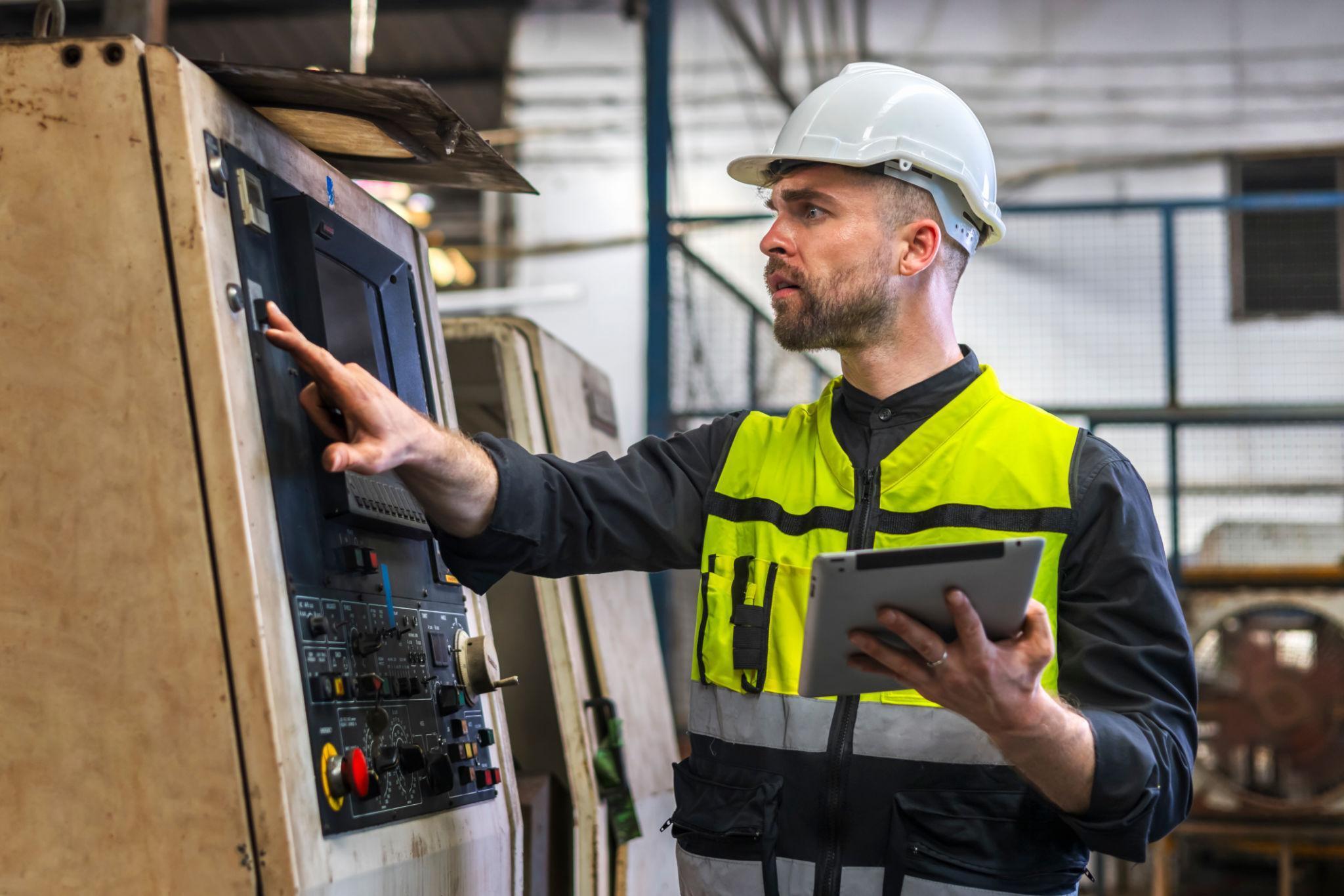
Unlock Margins Hidden in your Maintenance
Watch how leading manufacturers improve OEE, increase PM compliance, and reduce downtime through connected execution.
- 12-10-2026
Manufacturing Skills Gap: What It Costs and How to Close It
A plant can have every role filled and still experience a manufacturing skills gap. Very often,...
- 05-10-2026
10 Best Shift Handover Software Platforms for Plant and Process Operations
Shift handover software can mean different things depending on the operating environment. Some...
- 29-09-2026
Best SAP Maintenance Planning & Scheduling Software 2026
Your maintenance work orders live in SAP Plant Maintenance (PM), while the working schedule lives...